
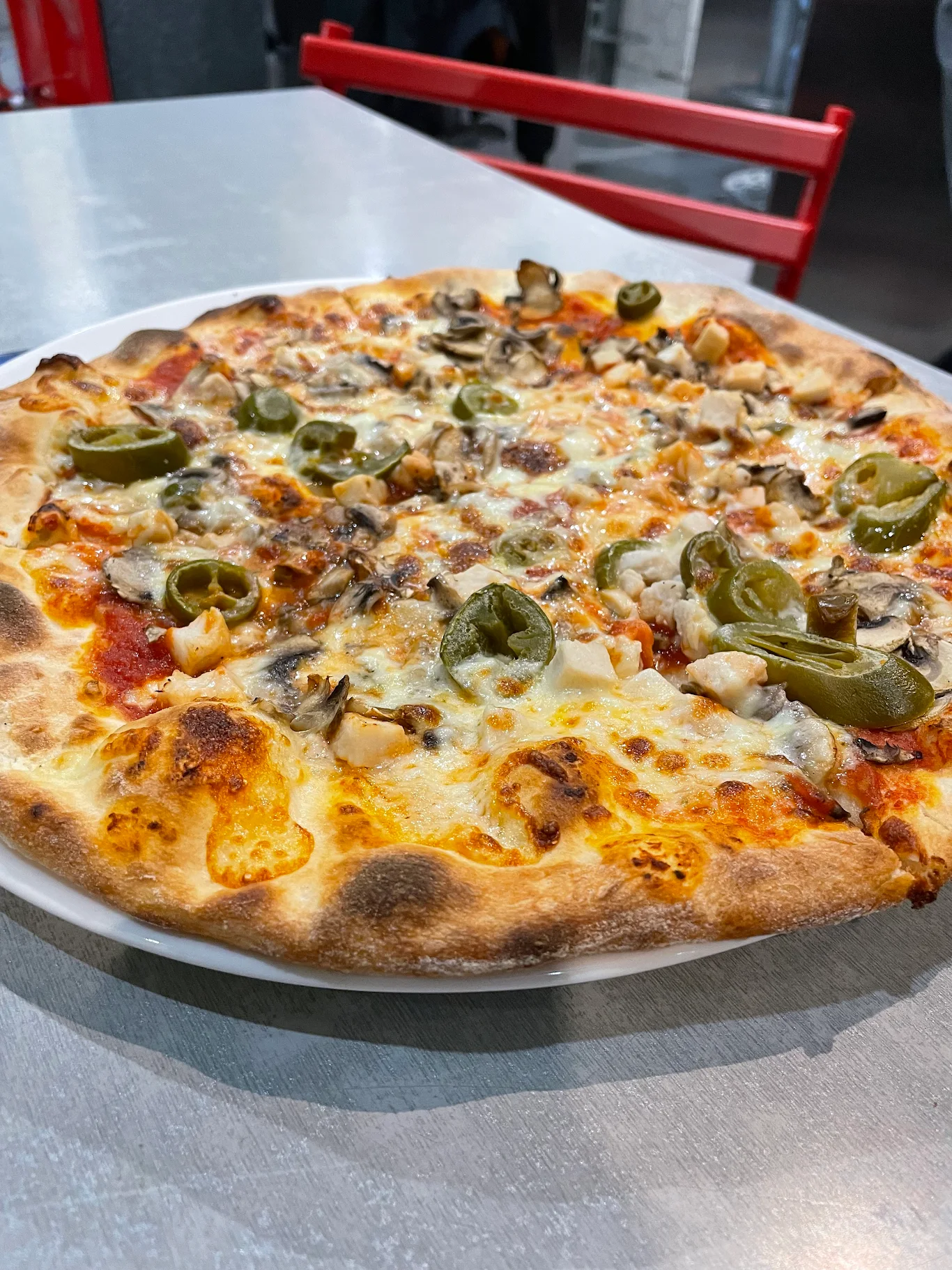
Pizza has many forms, from thick, doughy slices that feel like bread to delicate, crisp bases that snap with each bite. Across London, one style has stolen the spotlight: the thin-crust. It’s quick, light, and endlessly versatile and for Londoners, it feels like the perfect match. But why has thin-crust pizza become such a favourite in the capital? Let’s explore its history, its cultural fit, and why it continues to define pizza culture in London today.
A Brief History of Thin-Crust Pizza
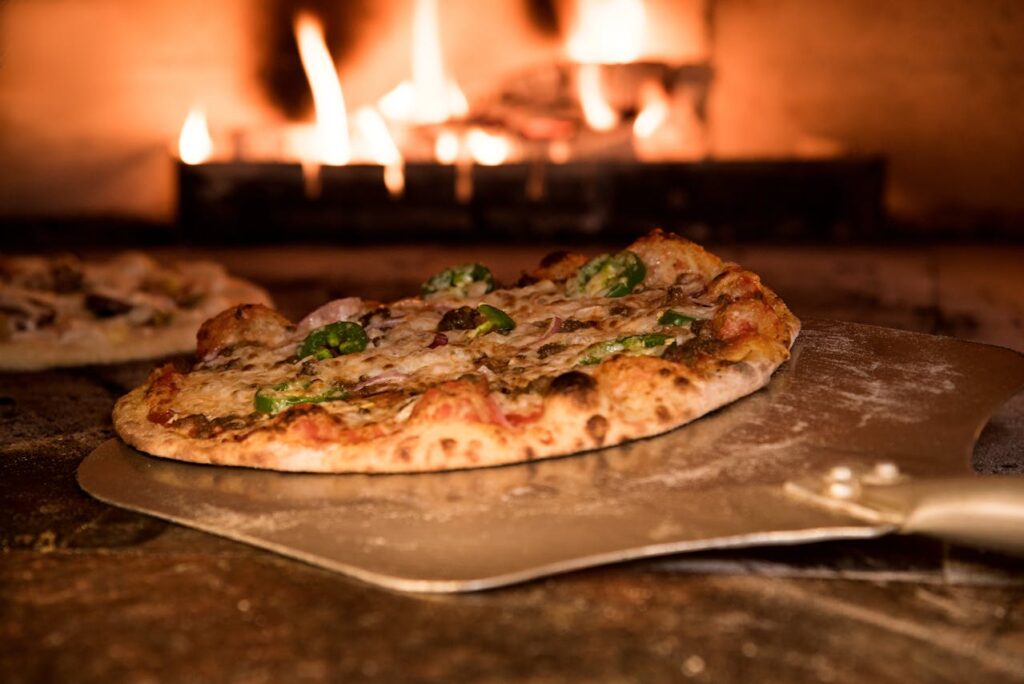
Pizza as we know it started in Naples, Italy. Neapolitan pizza is famous for its soft, chewy base, baked quickly at high heat. A close cousin developed in Rome: thinner, crispier, with less dough but more crunch. This Roman style is considered the root of what we now call “thin-crust pizza.”
You can learn more from our latest blog on The History of Pizza in London: From Classic Italian to Modern Thin-Crust.
So, back to the topic. As Italian immigrants moved across Europe and into London after the Second World War, they brought their food traditions with them. Soho became an early hub, with small restaurants serving pasta, espresso, and pizza. By the mid-1960s, pizza was no longer a secret. The opening of Pizza Express in Soho in 1965 marked a turning point: Londoners could try a thinner, fresher pizza in a sit-down restaurant.
This was the beginning of London’s pizza story. Thick-crust styles arrived later with American chains in the 1970s and 80s, but thin-crust never lost its foothold. In fact, it began to feel more natural to London’s growing appetite for continental dining.
Why Thin-Crust Fits London’s Lifestyle

London is fast. People race between work, the Tube, and social events, and food needs to keep pace. Thin-crust pizza answers this perfectly. It cooks quickly, it’s easy to eat on the go, and it doesn’t leave you feeling heavy after lunch.
There’s also the question of health. While no pizza could be called a salad, a thinner base means fewer calories and less bread to digest. Londoners, who often balance indulgence with health-conscious choices, see thin-crust as the lighter, friendlier option.
Flavour is another reason. Thick crust can sometimes feel like a wall of bread. Thin bases, on the other hand, let the toppings shine, whether it’s fresh mozzarella, a spicy tomato sauce, or creative toppings influenced by London’s multicultural food scene.
And finally, thin-crust pizza is affordable and inclusive. A crisp base with fresh toppings can be made quickly and served cheaply, which fits perfectly with London’s student population, office workers, and families looking for a good value meal.
Thin-Crust vs Thick-Crust in London
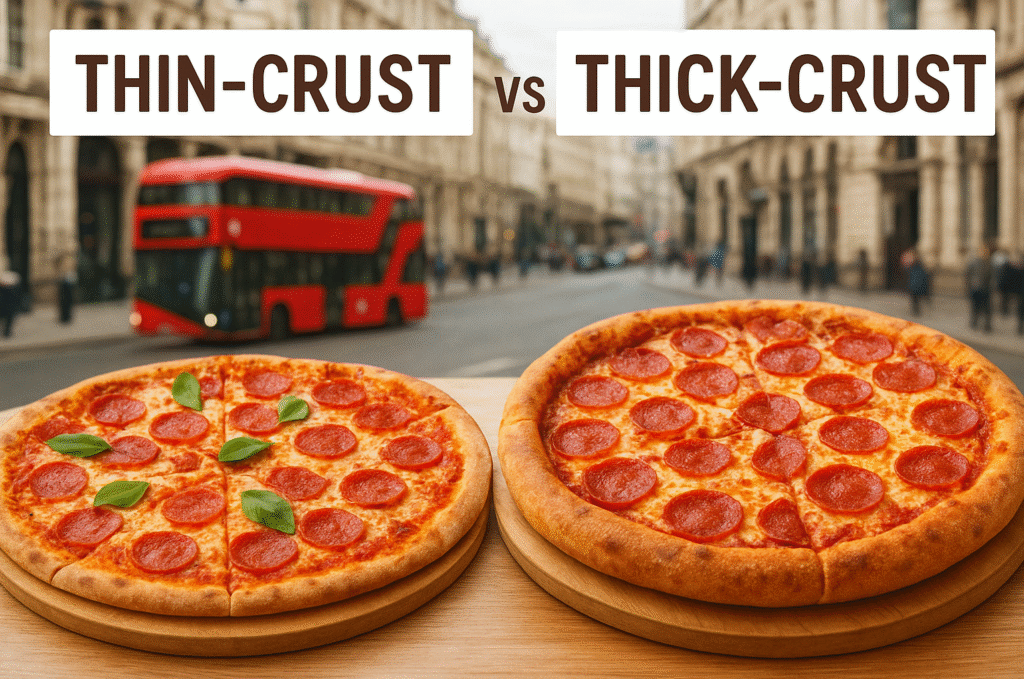
The debate between thin and thick crust still exists. Thick-crust pizzas, especially the deep-dish or American pan style, are undeniably filling. They’re hearty, indulgent, and work well when you want a meal that feels like comfort food.
But Londoners tend to lean the other way. Thin-crust is lighter, more shareable, and better suited to a city that thrives on social dining. Whether it’s slices shared at a pub table, a late-night snack after a gig, or a quick lunch in the West End, thin-crust works in more situations.
It’s also closer to what many consider “authentic.” With the rise of artisan pizzerias and wood-fired ovens since the 1990s, Londoners have grown used to seeing blistered, thin bases cooked in minutes. Compared to the heavy, cheesy versions offered by global chains, thin-crust feels more refined and more London.
Thin-Crust in Modern London
Today, thin-crust pizza is everywhere in the city. Markets in Shoreditch and Camden sell slices straight from wood-fired ovens. Pubs across Islington and Hackney serve thin, stone-baked pizzas alongside beers. High-end restaurants in Mayfair offer sourdough-based versions topped with truffle or burrata. Even supermarkets now stock artisan thin bases ready to cook at home.
This variety reflects London’s character. The city is multicultural, fast-moving, and experimental. Thin-crust pizza, with its ability to adapt to new toppings and flavours, fits right in. Whether you prefer a traditional margherita or a creative twist with chilli, paneer, or vegan cheese, London’s thin-crust culture delivers it.
Conclusion
The love for thin-crust pizza in London is more than just a food trend, it’s the result of history, culture, and lifestyle. From its Italian roots to its arrival in Soho, thin-crust has always been part of London’s dining story. Over time, it proved itself the perfect match for a busy city: light, quick, affordable, and endlessly versatile.
Thick-crust will always have its fans, but in London, thin-crust has become the true staple. It’s woven into daily life, whether shared among friends, enjoyed on the go, or savoured in restaurants across the capital. In short, thin-crust pizza has earned its place as one of the defining flavours of modern London.