
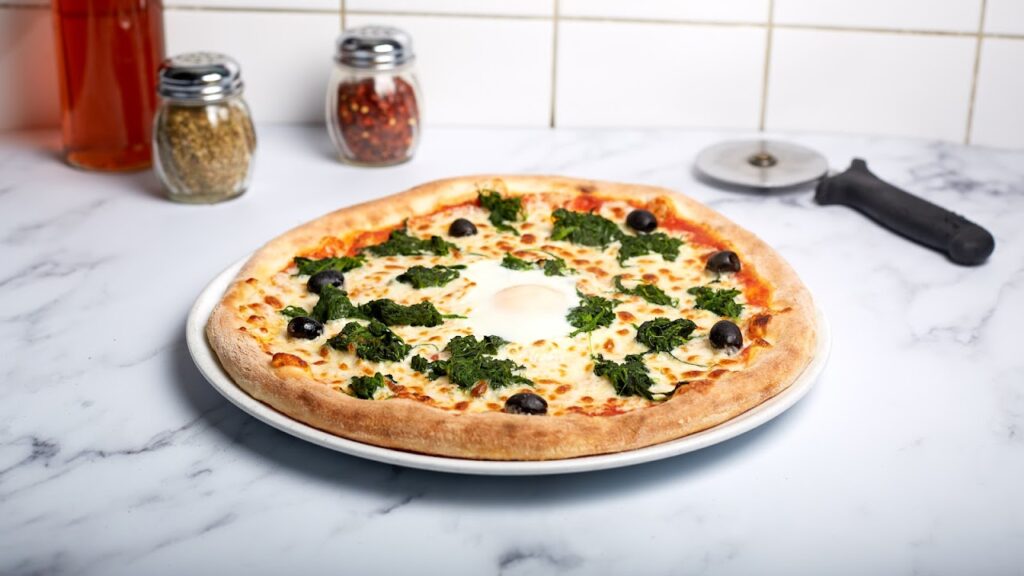
Pizza is one of those foods that feels timeless. Today, you can walk down almost any street in London and find a pizza place, from a quick slice shop to a wood-fired oven in a fine-dining restaurant. But pizza hasn’t always been this common. Its journey from Naples, Italy, to becoming a staple in London is a fascinating story of immigration, globalisation, and changing tastes.
Today, we will explore how pizza arrived in London, how it grew from niche to mainstream, and how the city has shaped pizza into something uniquely its own.
From Naples to the World
The story of pizza begins in Naples, Italy, during the 18th and 19th centuries. At first, pizza was simple street food for workers, dough topped with tomatoes, garlic, and a little cheese. It was cheap, filling, and portable. The famous Margherita pizza, topped with tomato, mozzarella, and basil, was named in 1889 after Queen Margherita of Savoy.
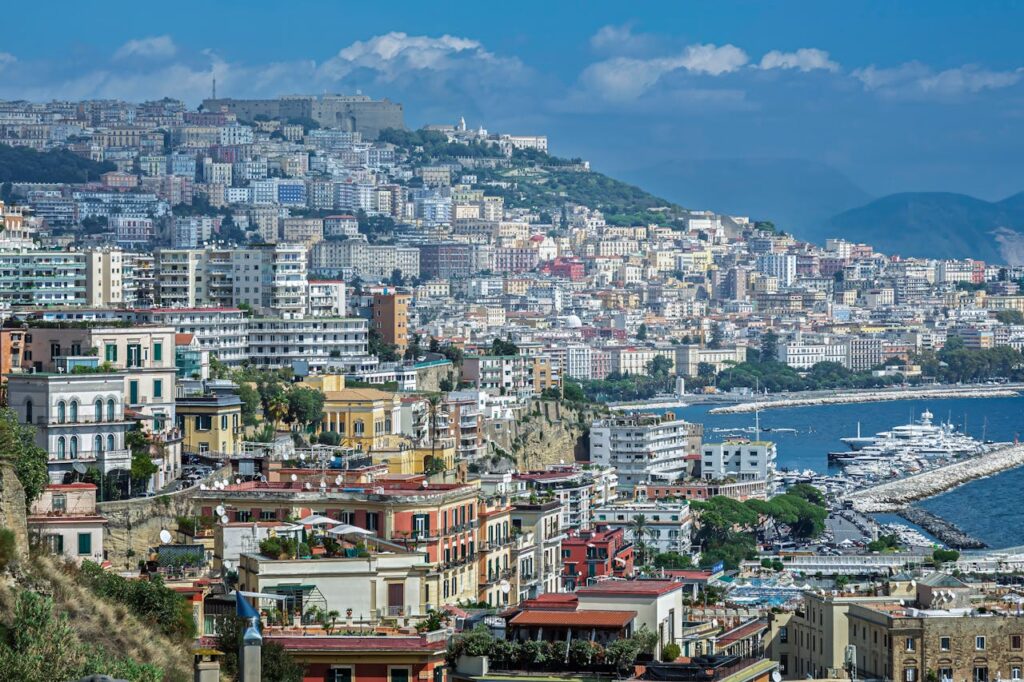
Italian migrants later carried pizza across Europe and America, bringing this humble dish into new cultures. By the mid-20th century, pizza was already on its way to becoming a global favourite.
Pizza Arrives in London
Pizza’s first appearance in London dates back to the 1950s and 1960s, when Italian immigrants settled in areas like Soho and the West End. These communities opened small restaurants that served traditional dishes, including pizza. At first, pizza was exotic, not the kind of food most Londoners grew up with.
One of the turning points came in 1965, when Pizza Express opened its first branch in Soho. Founded by Peter Boizot, it was inspired by his travels to Italy and brought authentic thin-crust pizza into the heart of London. For many locals, this was their first taste of a freshly baked pizza in a restaurant setting.
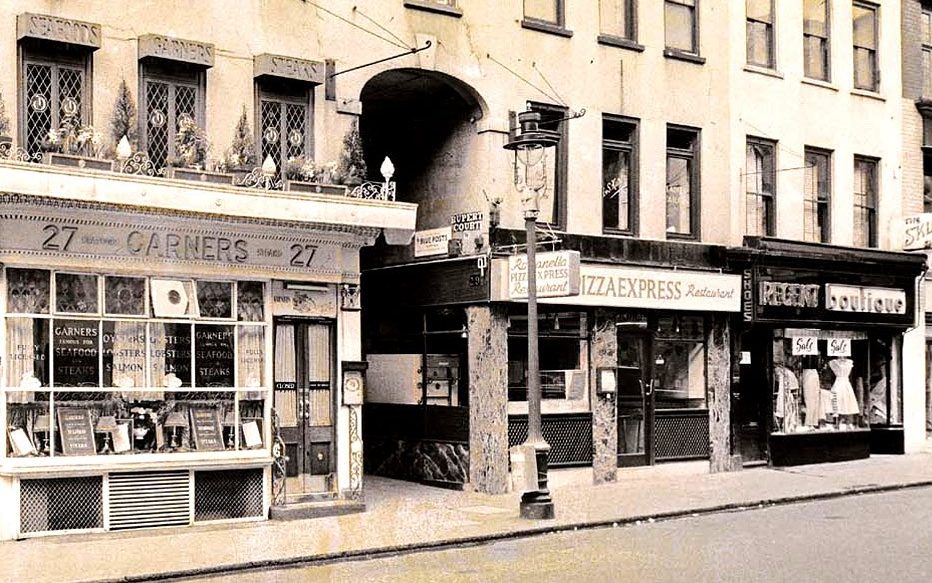
Back then, pizza was still considered a bit of a luxury. Dining out wasn’t as common as it is today, and pizza was something you might have on a special evening.
The Chain Restaurant Boom
By the 1970s and 1980s, pizza started to spread more widely in London. This was the era when large American chains made their entrance. Pizza Hut opened in the UK in 1973, and Domino’s launched its first UK store in 1985.
These brands made pizza accessible to more people. Suddenly, pizza wasn’t just a restaurant meal, it could be ordered to your home. Families could share one for dinner, students could split one late at night, and office workers could order one for lunch.
The focus was on speed, affordability, and consistency. These chains helped turn pizza from a niche Italian dish into a household favourite across London.
London’s Food Revolution and the Rise of Authentic Pizza
In the 1990s and 2000s, London’s food culture went through a transformation. The city became one of the world’s great food capitals, with influences from every corner of the globe. Pizza was part of this change.
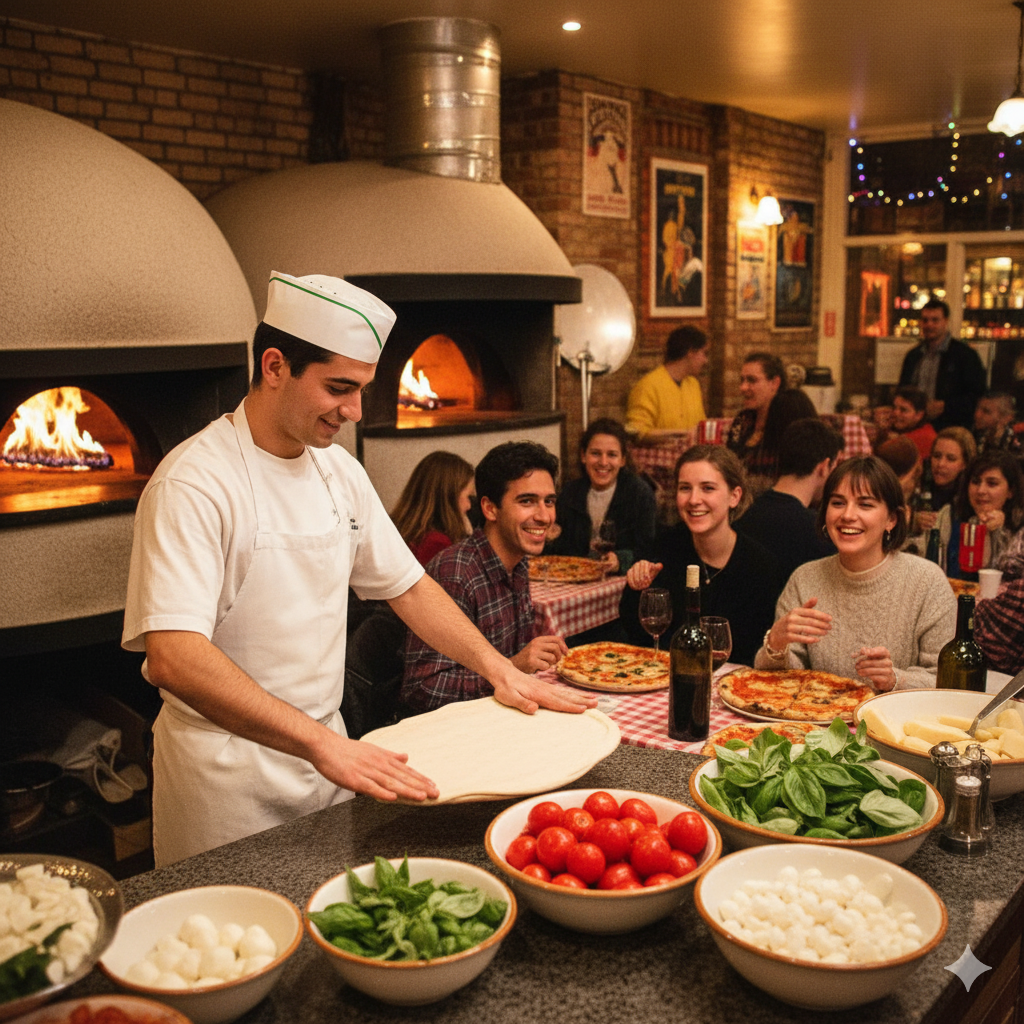
Londoners were travelling more, discovering authentic Neapolitan pizza in Naples, or thin, crispy Roman-style pizza in Rome. They wanted that same experience back home.
Independent pizzerias began to focus on craft and tradition: hand-stretched dough, wood-fired ovens, fresh mozzarella, and carefully chosen toppings. Pizza was no longer just about being quick and cheap, it was about flavour, authenticity, and quality.
At the same time, pizza also adapted to London’s multicultural identity. It wasn’t unusual to find pizzas topped with Indian spices, Middle Eastern flavours, or even British twists like roast vegetables.
The Modern Pizza Scene in London
Fast forward to today, and pizza in London is more diverse than ever. You can find:
- Neapolitan pizza with soft, chewy crusts and simple toppings.
- Roman thin-crust pizza that is light and crisp.
- New York-style slices that you can fold and eat on the go.
- Sicilian-style pizza with thicker bases and hearty toppings.
- Fusion pizzas, blending flavours from different cuisines, think tikka masala toppings or vegan cheese innovations.
Pizza is now everywhere. You’ll see it in high-end restaurants, pop-up food markets, pubs, street stalls, and late-night takeaways. It has become as much a part of London food culture as curry, fish and chips, or the Sunday roast.
Why London Loves Pizza
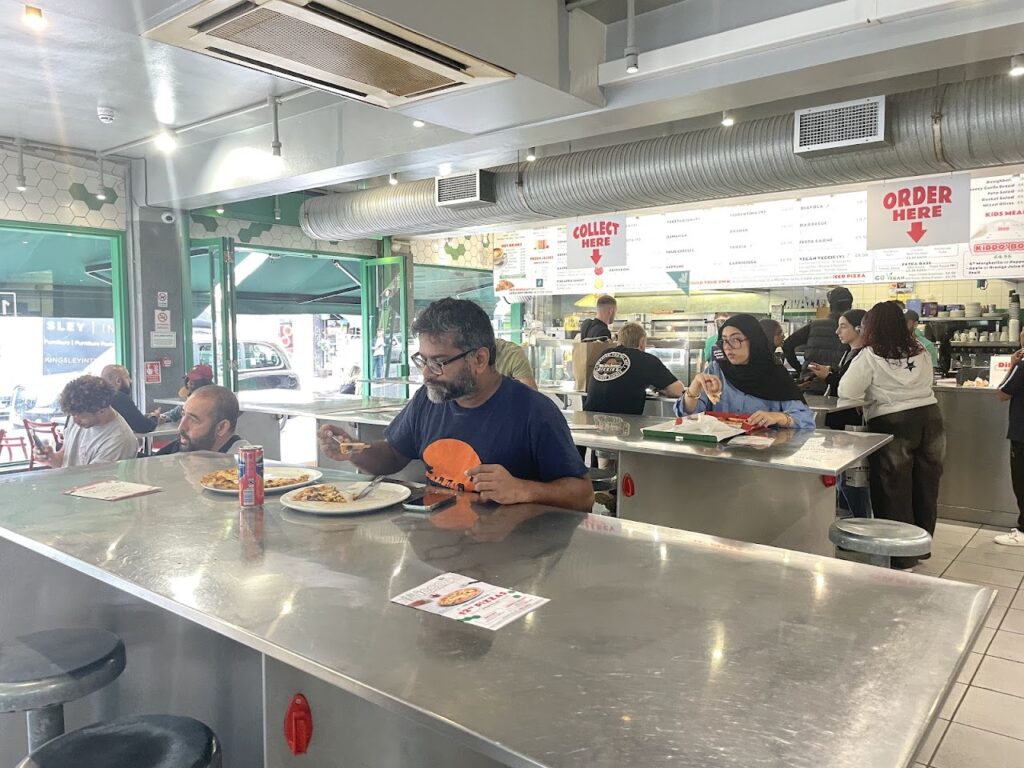
So why did pizza take off in London so strongly? There are a few reasons:
- It’s social: Pizza is made for sharing, whether with friends, family, or colleagues.
- It’s flexible: It works for a quick lunch, a sit-down dinner, or a late-night snack.
- It’s adaptable: London’s diversity has influenced pizza toppings and styles.
- It’s affordable: Pizza can be enjoyed on almost any budget, from £3 slices to £30 gourmet creations.
Pizza’s ability to fit into so many aspects of London life has made it an everyday staple.
Pizza as a London Staple
Today, pizza sits comfortably alongside curry houses, burger joints, and fish-and-chip shops as one of London’s defining foods. It has gone from a foreign curiosity in Soho to a central part of the city’s food culture.
It’s also part of everyday routines: students grabbing slices after lectures, office workers ordering delivery, and families enjoying pizza nights at home. Londoners have truly made pizza their own, embracing both tradition and innovation.
Conclusion
The history of pizza in London is a story of change and adaptation. From the Italian immigrants of the 1950s to the rise of chains in the 70s and 80s, and from the artisan revival of the 90s to today’s diverse pizza culture, the dish has mirrored the city’s evolution.
Pizza in London is no longer just Italian. It is global, local, traditional, and experimental all at once. It reflects the spirit of the city itself – diverse, fast-moving, and always hungry for something new.