
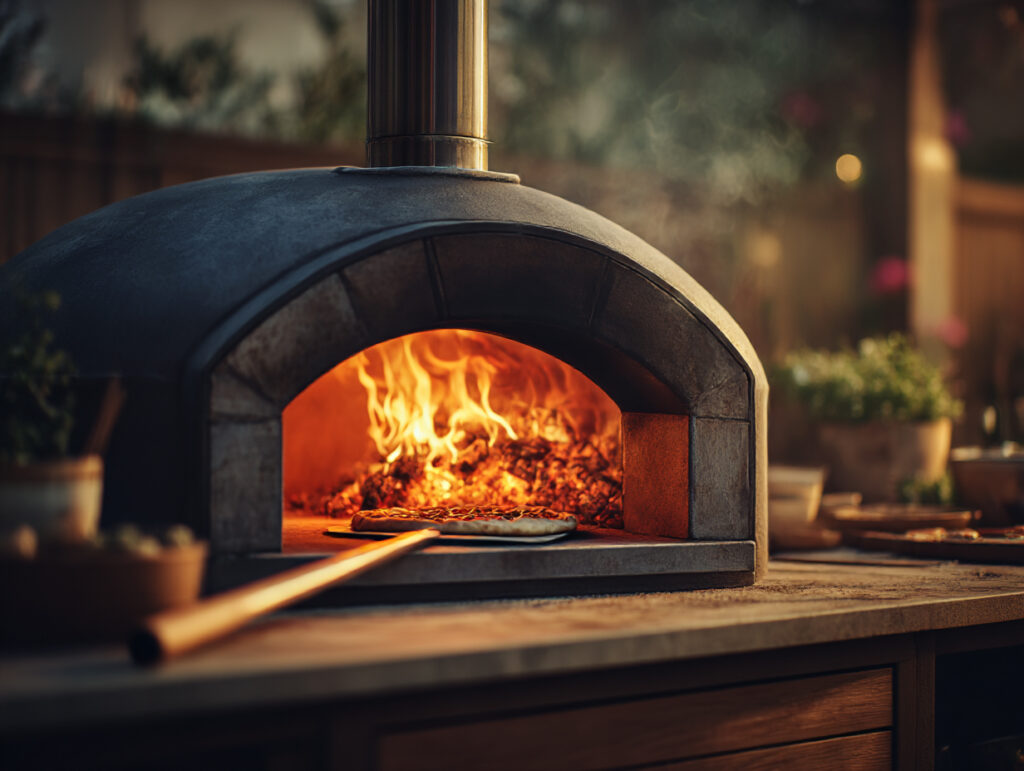
Getting your pizza oven to the right temperature is the secret to achieving that irresistible crust, bubbling cheese, and authentic flavour that transport you straight to Italy.
Whether you’re using a wood-fired oven in your garden or a gas model on your terrace in London, heating it up properly makes all the difference between a soggy base and pizza perfection.
1. Start With a Clean Oven
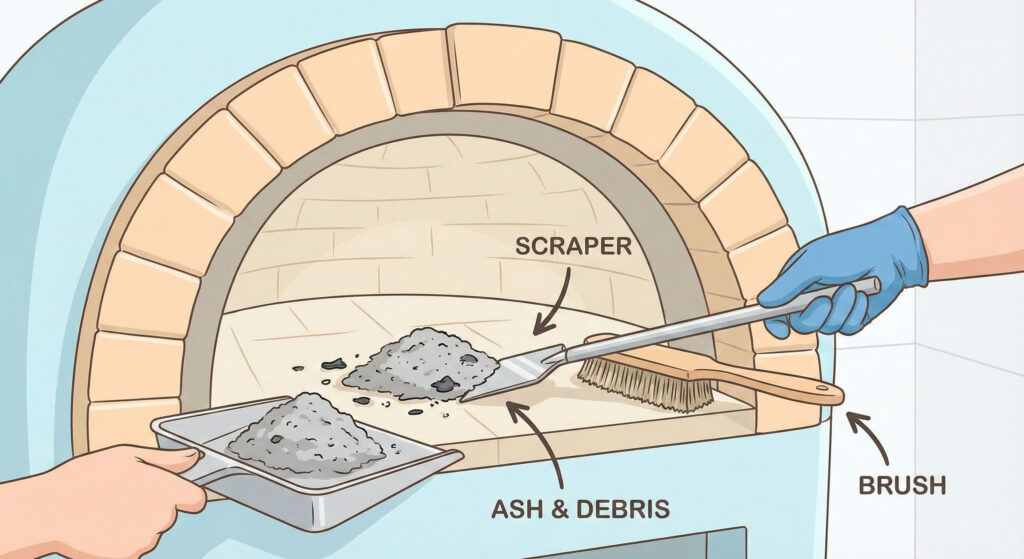
Before you even think about lighting it up, make sure your pizza oven is spotless. Any leftover ash, soot, or old wood pieces can alter the flavour of your food and affect how evenly your oven heats. Use a brush or scraper to remove debris and check that your air vents are clear. A clean oven ensures the heat circulates properly, giving you that even baking every pizza deserves.
2. Choose the Right Fuel
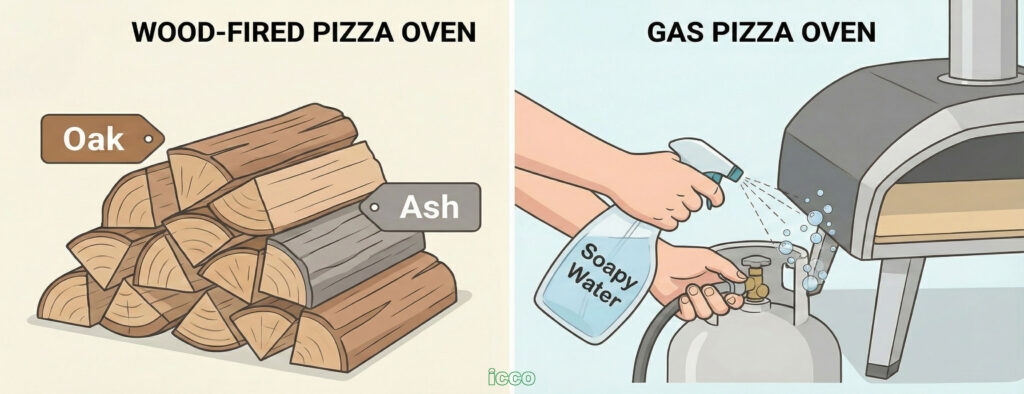
The type of fuel you use plays a huge role in both flavour and heat consistency. For wood-fired ovens, go for kiln-dried hardwoods like oak or ash, which burn hotter and cleaner. Avoid softwoods such as pine, as they contain resin that can cause excessive smoke.
If you’re using a gas pizza oven, make sure your gas source is properly connected and check for any leaks before igniting. Gas ovens heat faster and offer great temperature control, which is ideal if you’re short on time.
3. Light It Up Gradually
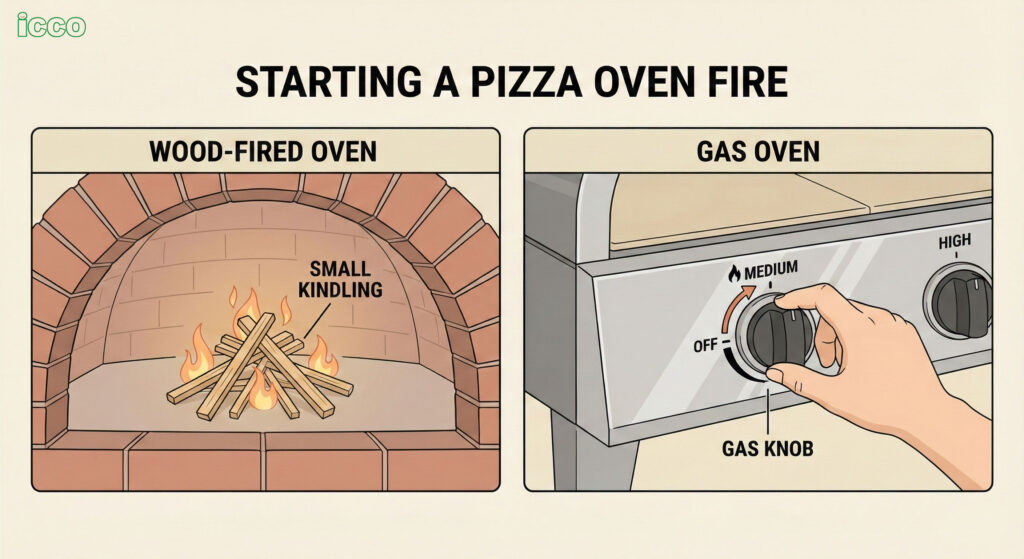
Patience is key here. For wood-fired ovens, start with a small pile of kindling in the centre and let it catch before adding larger logs. This gradual build-up allows the oven dome to absorb heat evenly.
If you go in too quickly with too much wood, you’ll create hot spots that make baking unpredictable.
In gas ovens, start on a medium setting and increase the flame slowly. Rapid heating can cause temperature spikes that throw off your cooking times.
4. Reach the Ideal Temperature
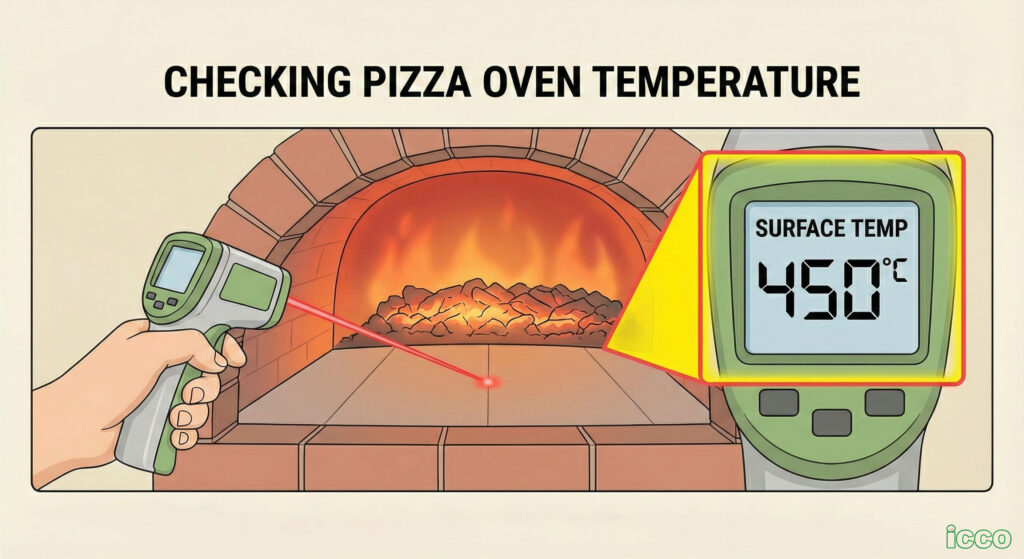
For authentic Neapolitan-style pizzas, your oven should be between 400°C and 480°C. Use an infrared thermometer to measure the surface temperature of the oven floor, not just the air inside.
The floor is where the real magic happens, and it’s the best indicator that your oven is ready for baking.
If you’re aiming for a crispier, slightly thicker crust, try a slightly lower range around 350°C. Every oven behaves differently, so spend a few sessions learning how yours responds to time and fuel.
5. Maintain the Heat
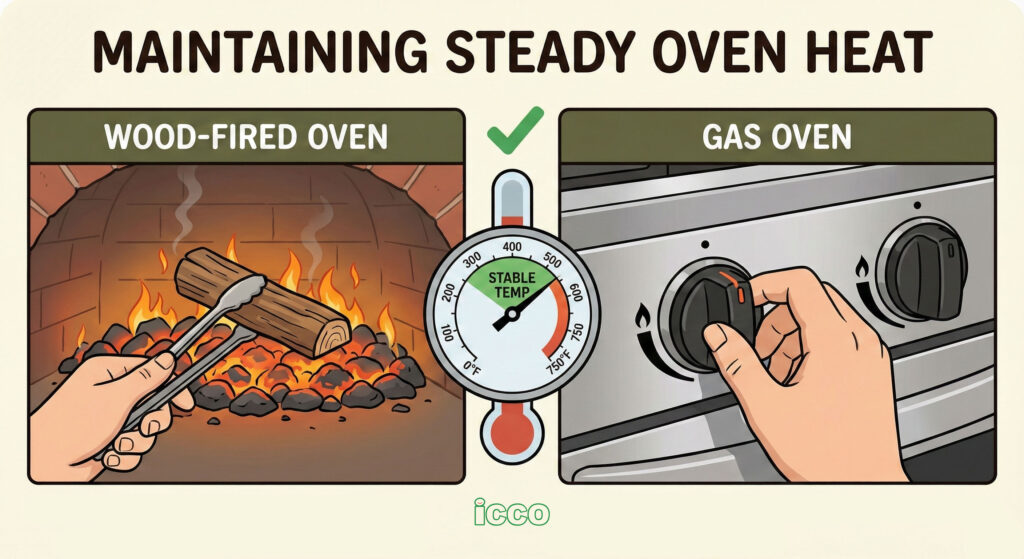
Once you’ve reached the right temperature, the challenge is keeping it consistent while you cook multiple pizzas. For wood-fired ovens, keep smaller logs nearby and feed them gradually rather than in large bursts. This steady rhythm maintains the temperature without causing smoky flare-ups.
In gas ovens, make slight adjustments using the control knobs to maintain stability. Avoid opening the door too often, as that releases valuable heat and extends cooking times.
6. Test Before You Bake
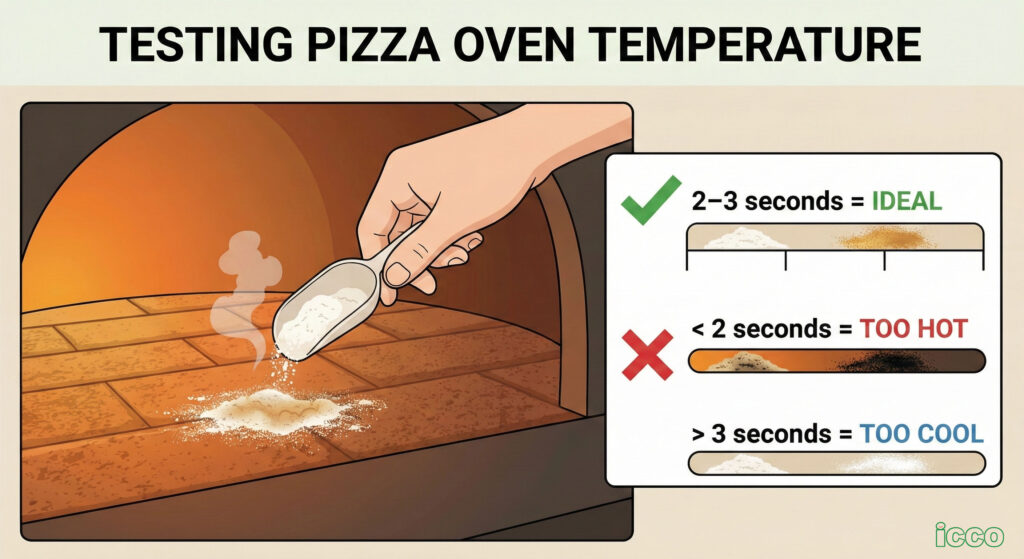
A quick test before your first pizza saves a lot of guesswork. Toss a small handful of flour onto the oven floor. If it burns black within two seconds, it’s too hot. If it takes longer than five seconds to brown, you need a bit more heat. That golden two-to-three second burn time means your oven is right in the sweet spot.
Final Thoughts
Mastering how to heat up a pizza oven is about understanding your fuel, respecting the temperature curve, and practising consistency. Every oven has its quirks, and once you get familiar with yours, you’ll find the process as rewarding as the result.
So next time you’re preparing to host pizza night in London, take a few extra minutes to heat your oven properly. You’ll be rewarded with that unmistakable aroma, perfect crust, and the kind of pizza that deserves applause after every slice.